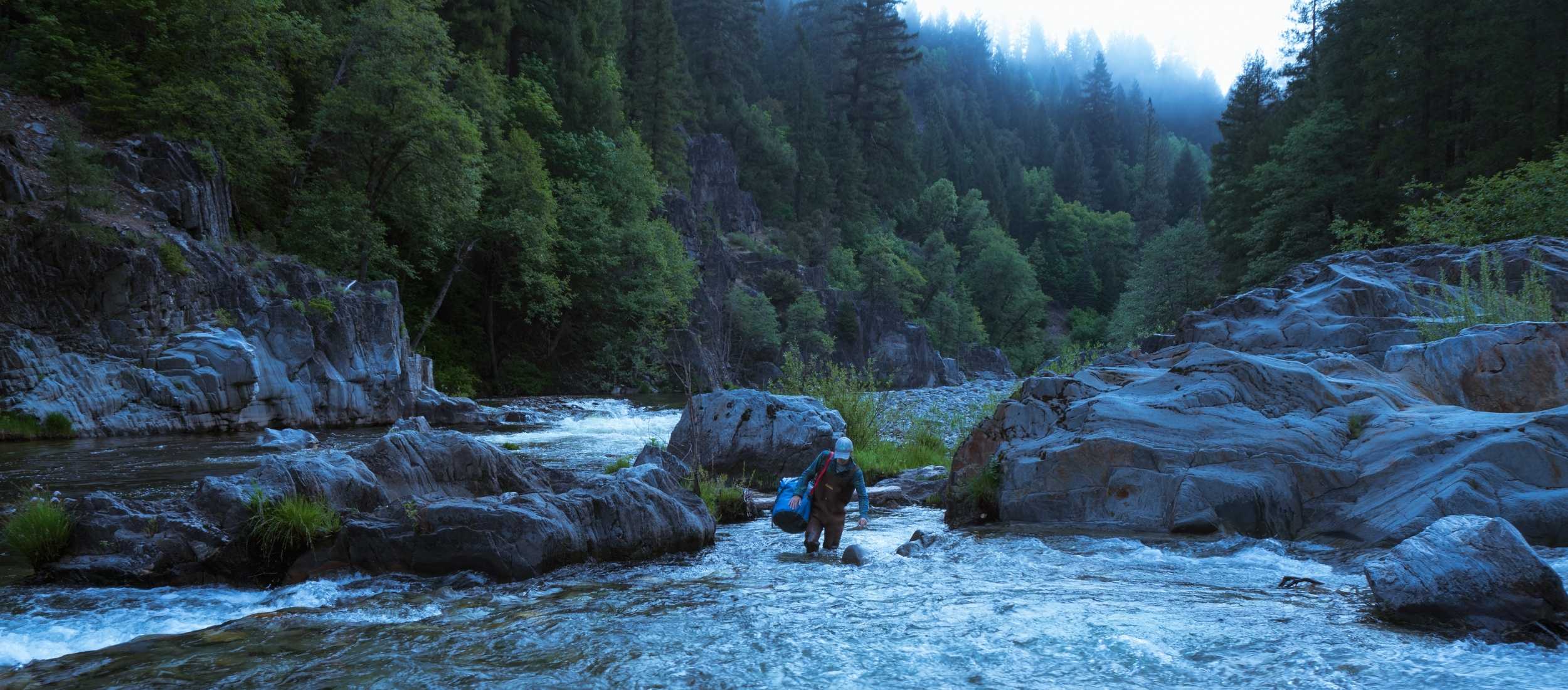
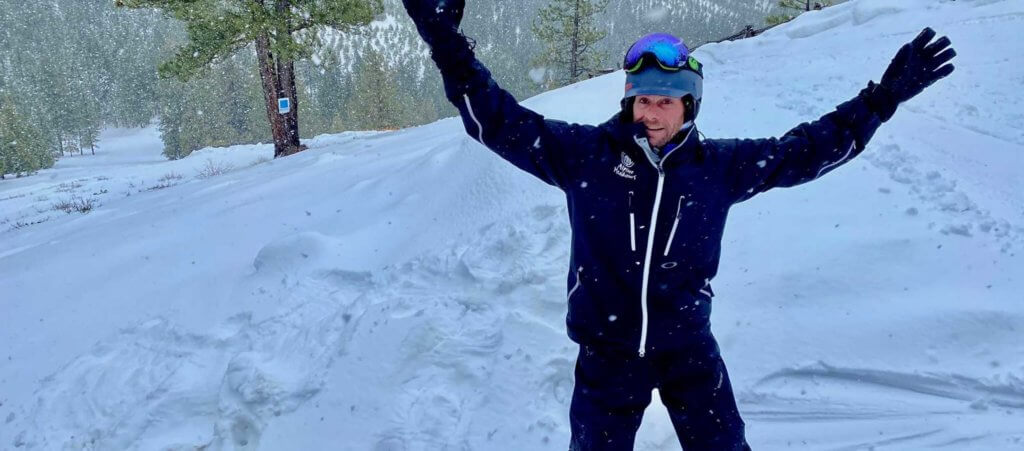
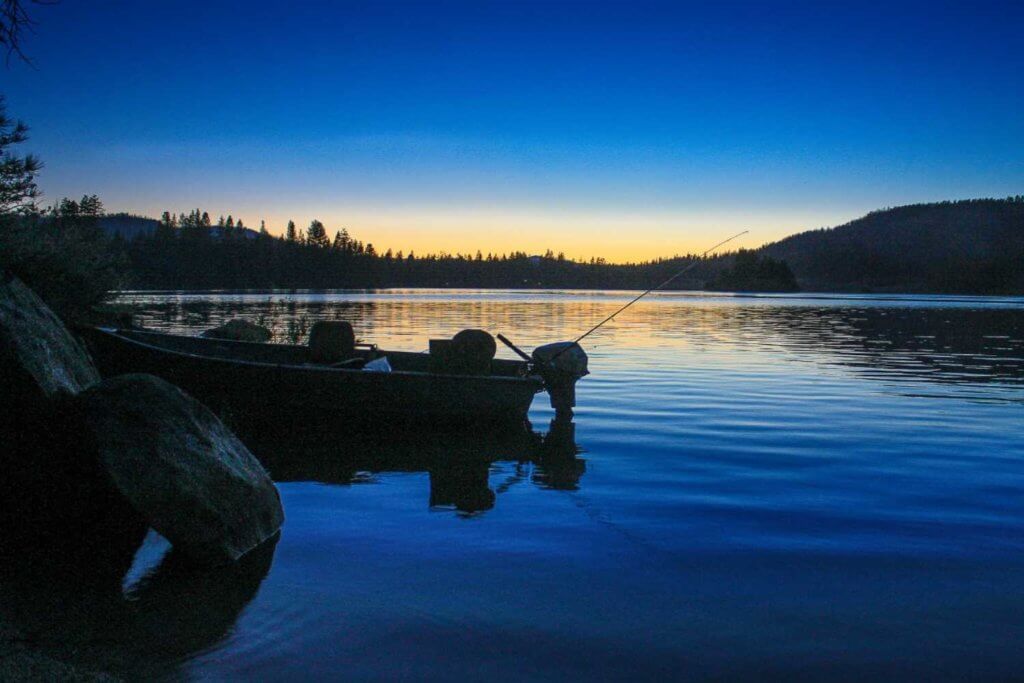
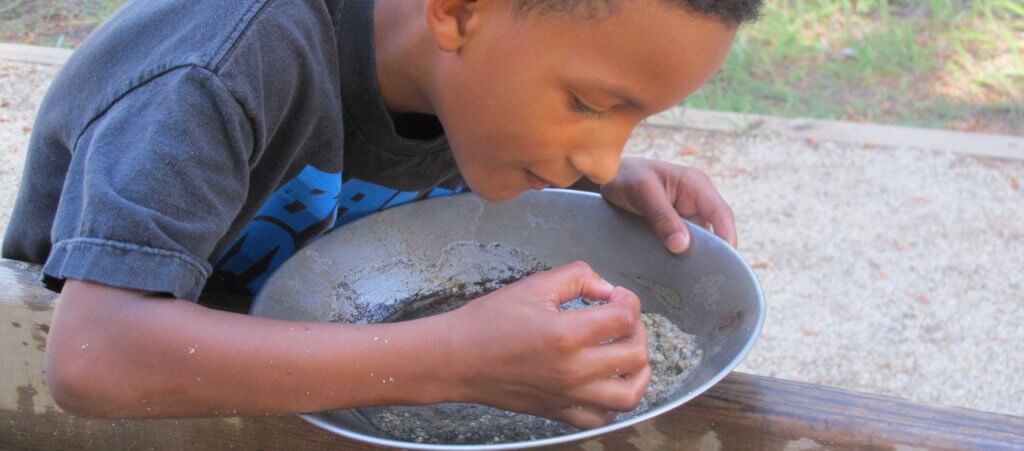
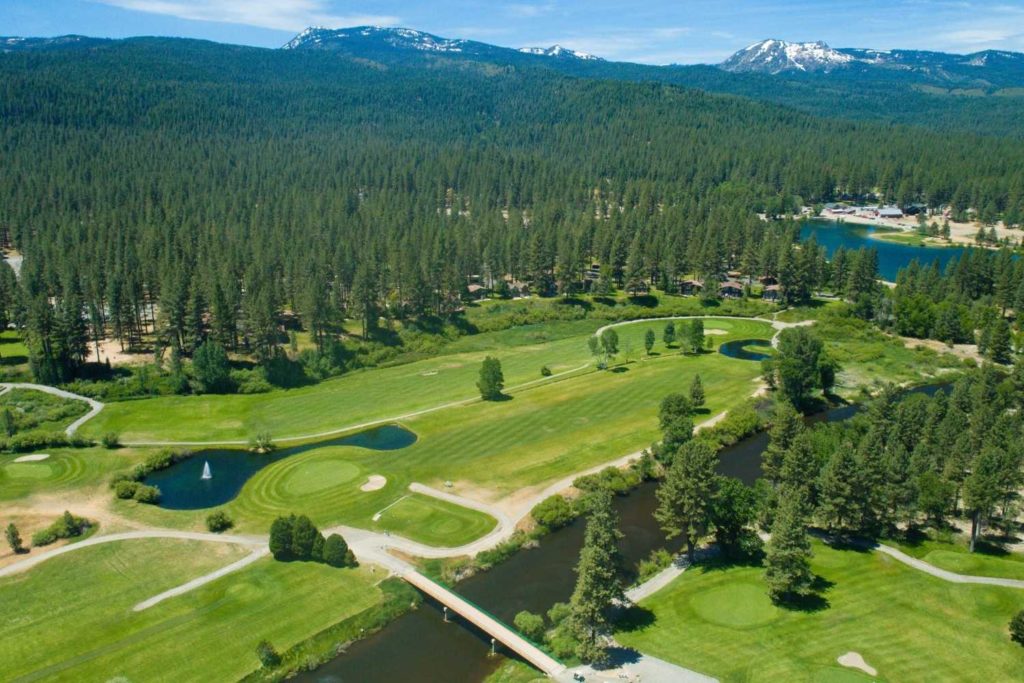
Four seasons of adventures await
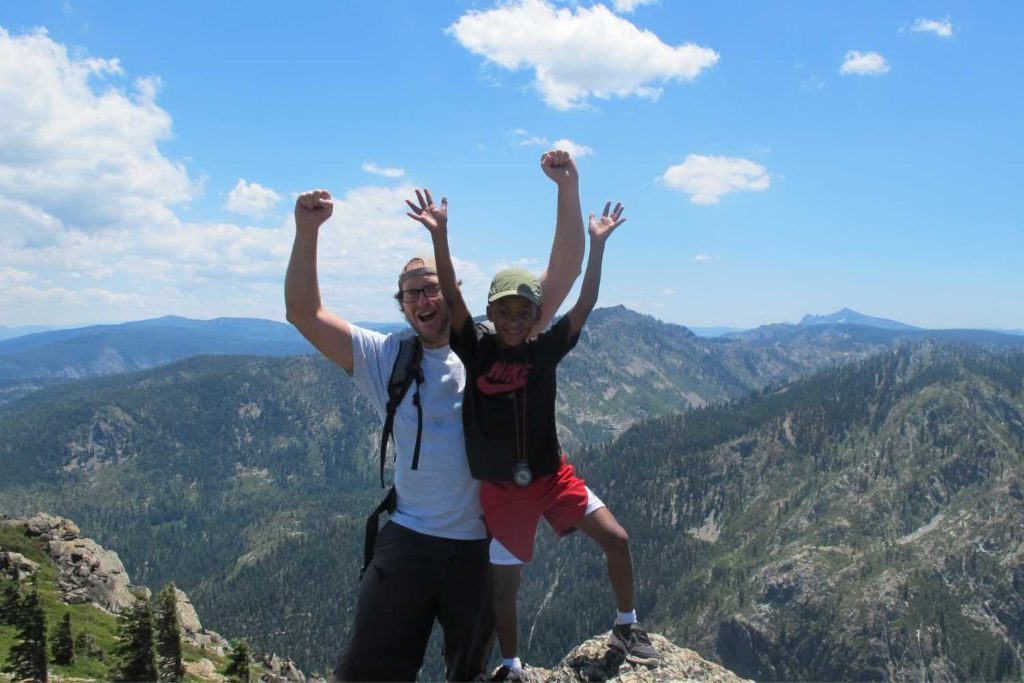
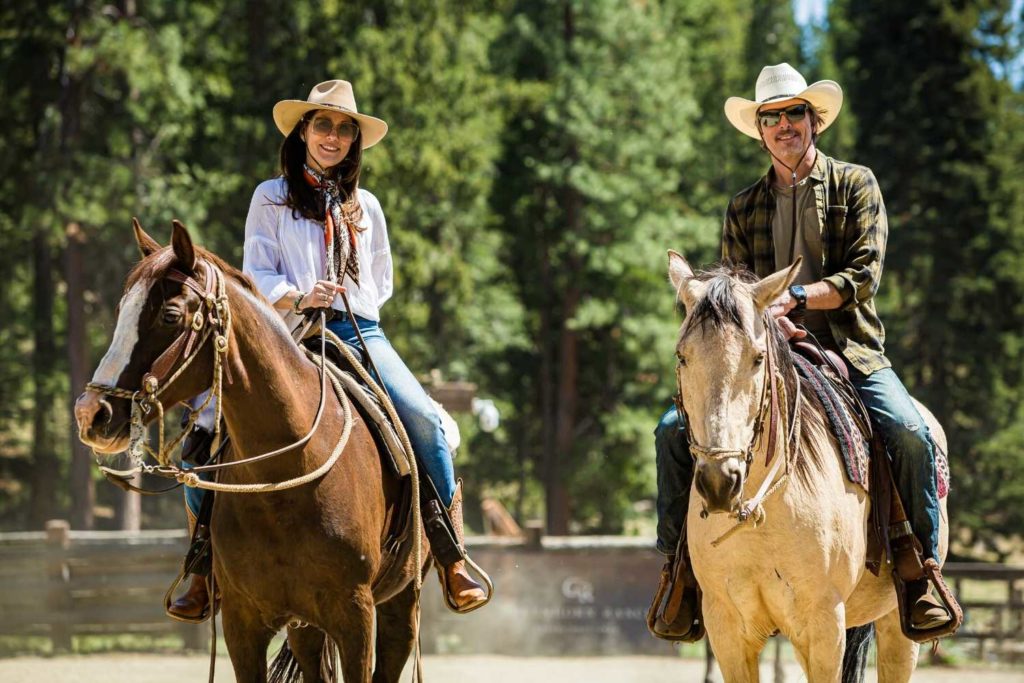
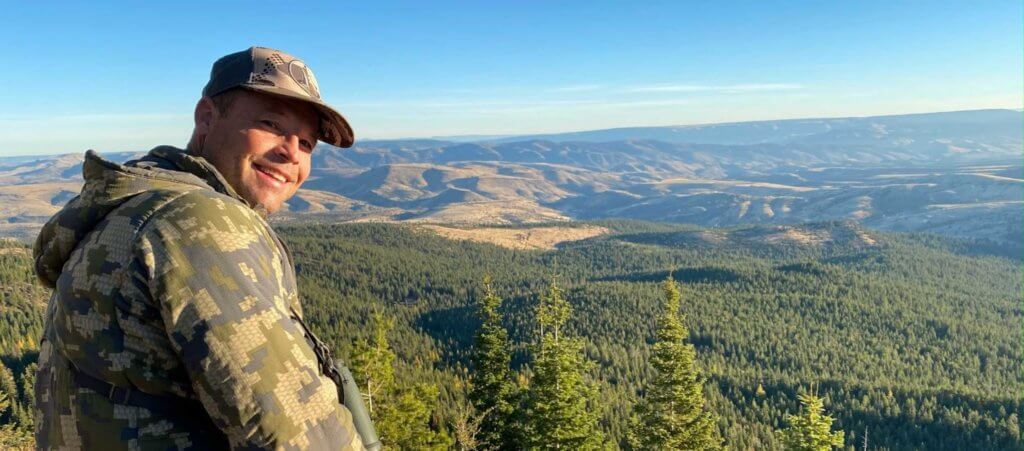
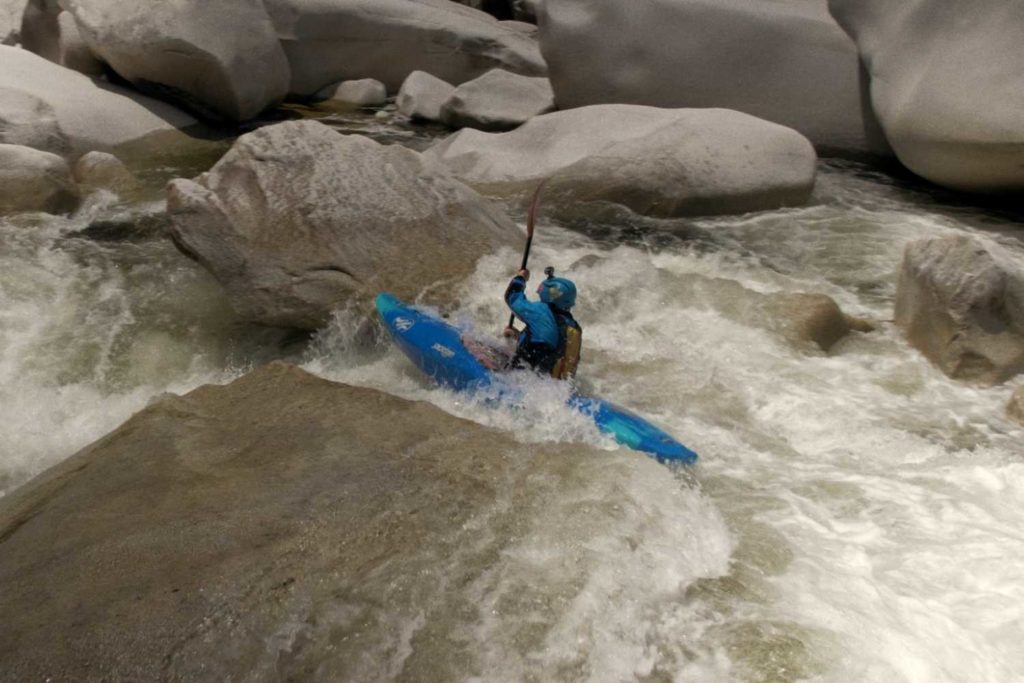
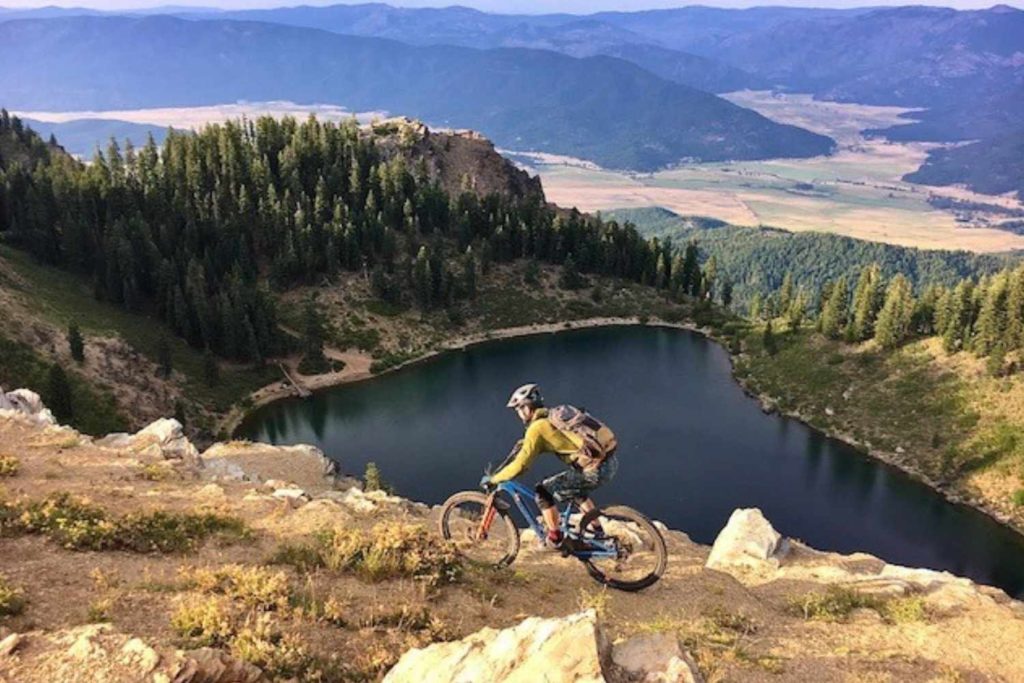
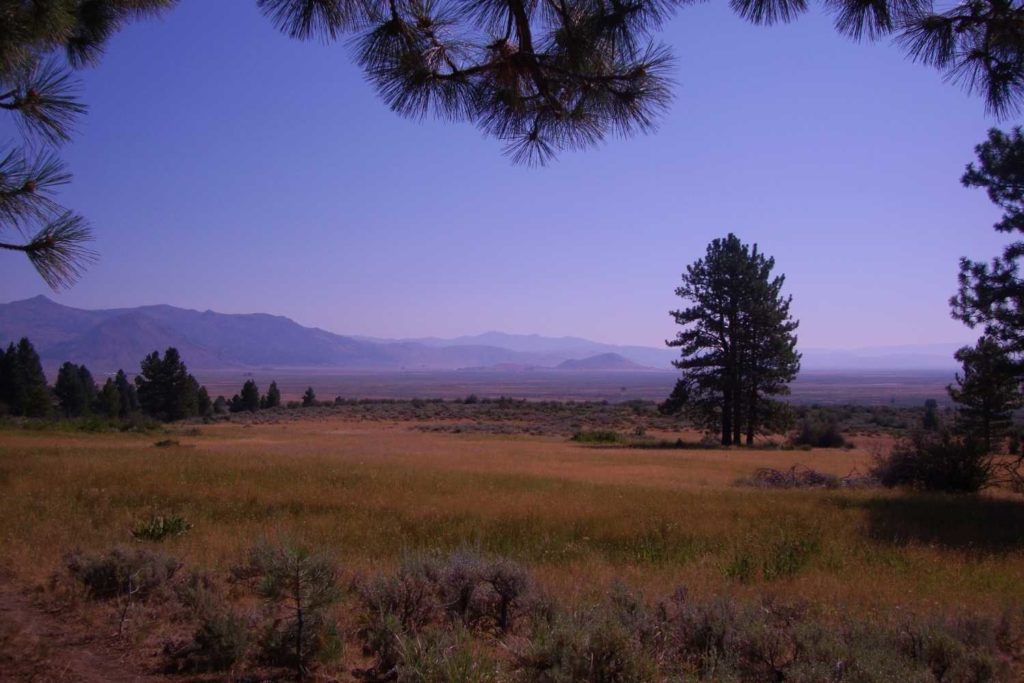
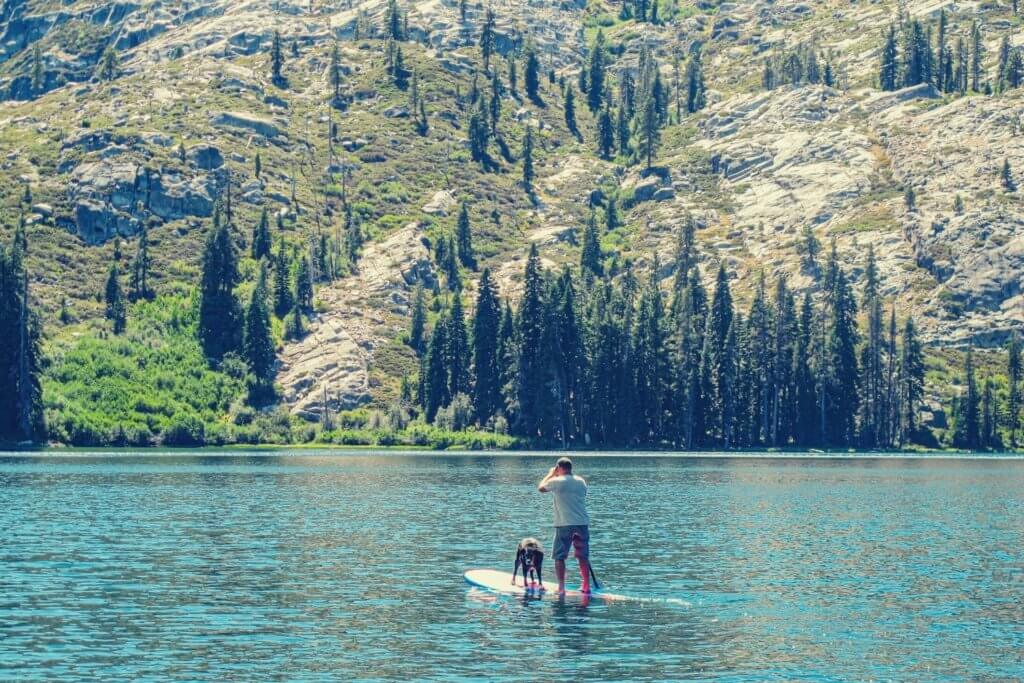
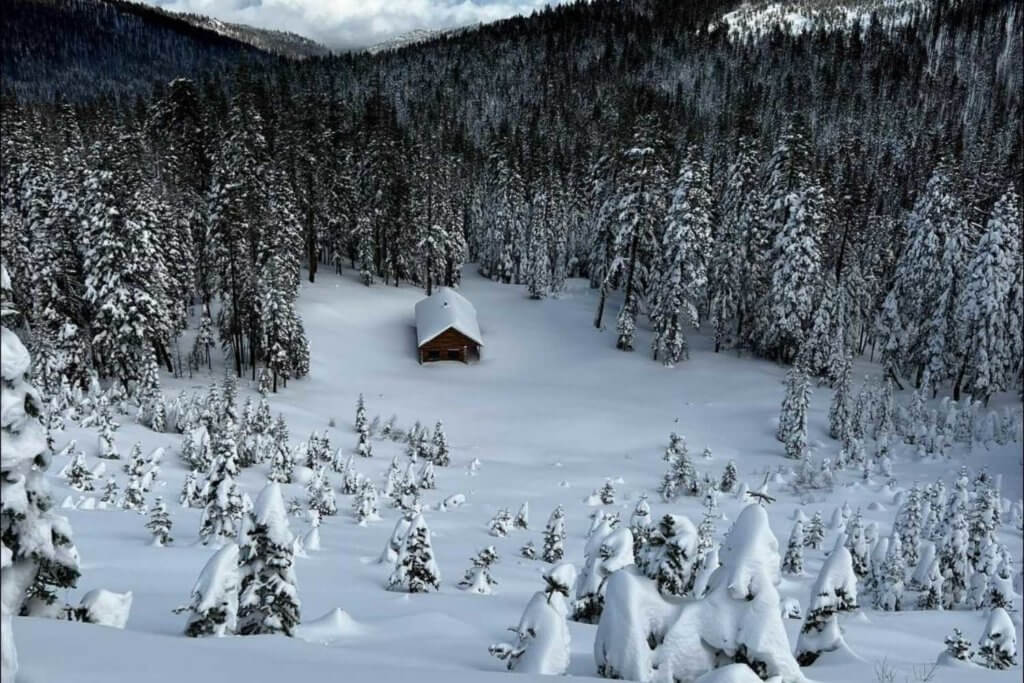
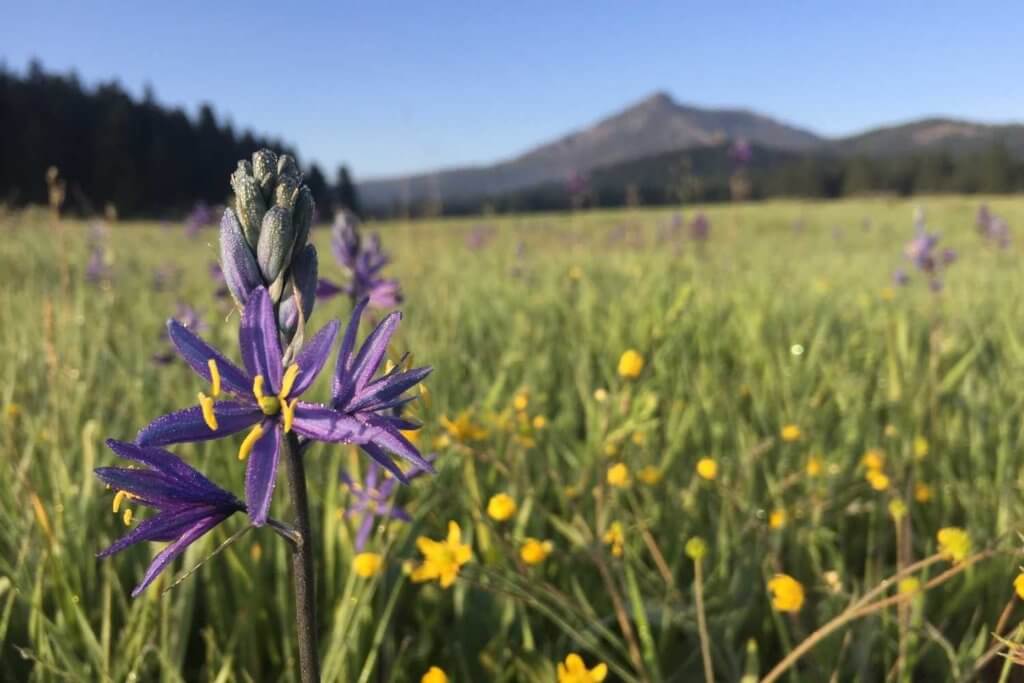
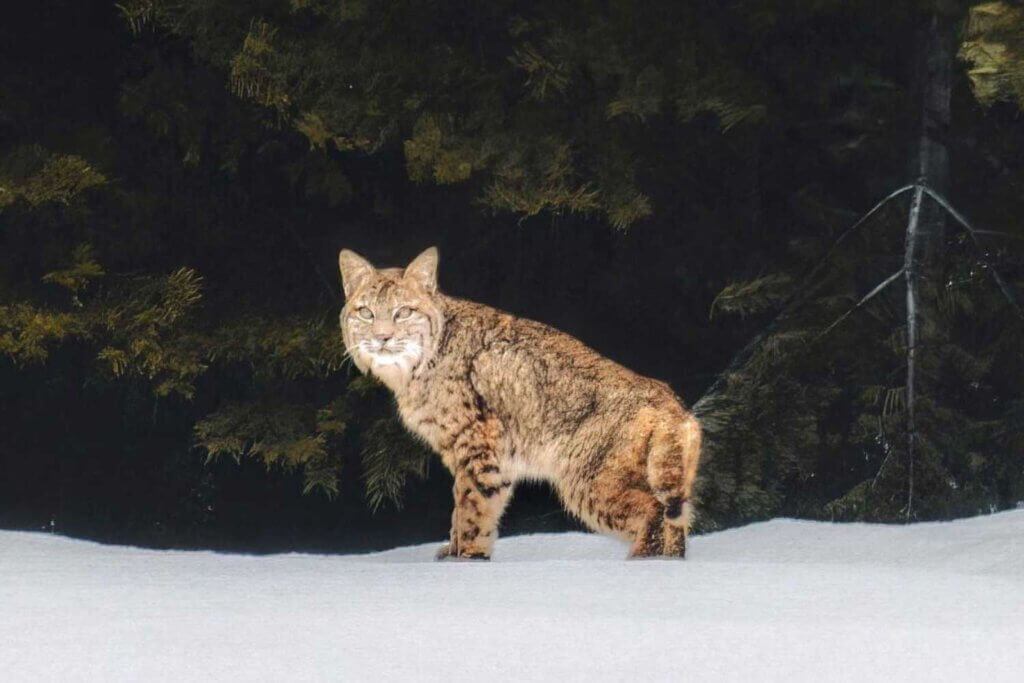
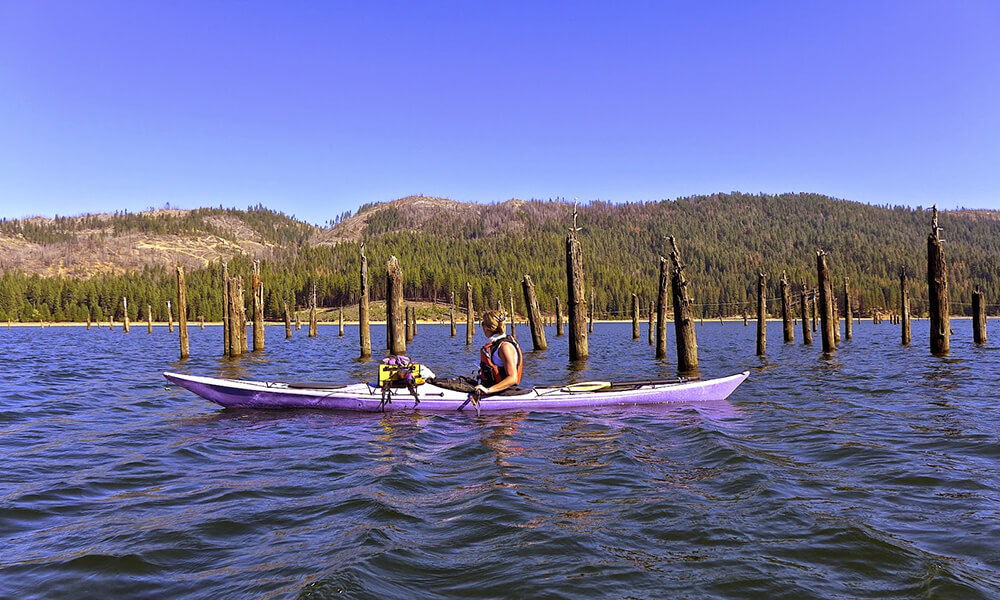
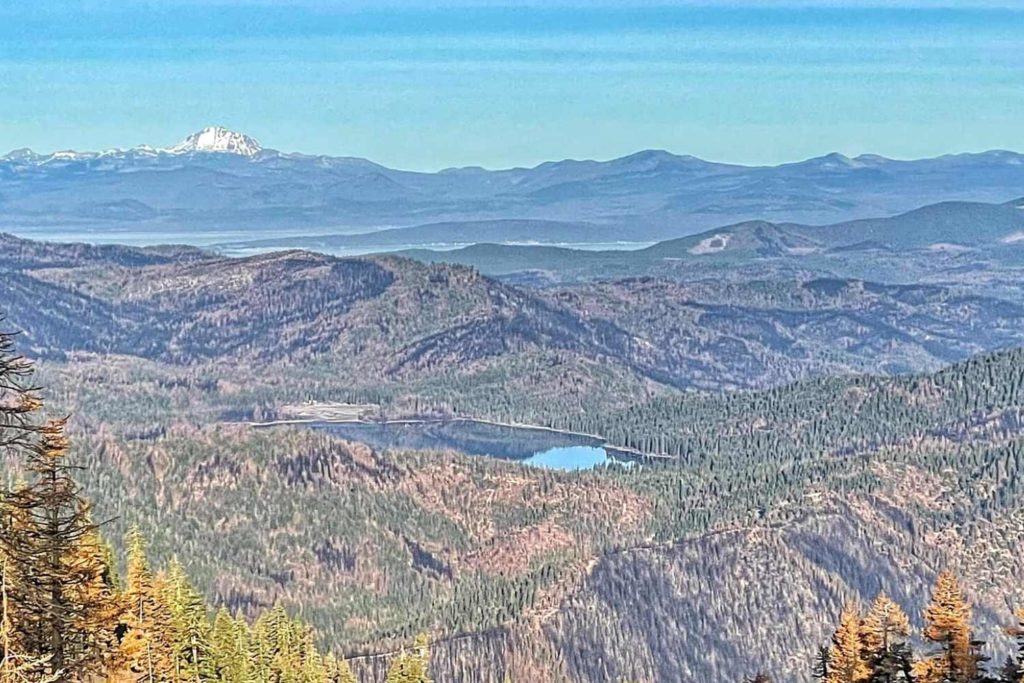
Hundreds of lakes and miles and miles of backcountry trails, rivers and roads offer unparalleled access to nature in Northern California. Whether you opt for epic, backcountry adventures or prefer mellow, relaxing days in the outdoors, Plumas County offers something for everyone.
where to go
There’s no shortage of incredible places to visit in Plumas County. Escape the crowds and experience some of best, year-round destinations in Northern California.
KEEP PLUMAS COUNTY CLEAN, GREEN & WILD
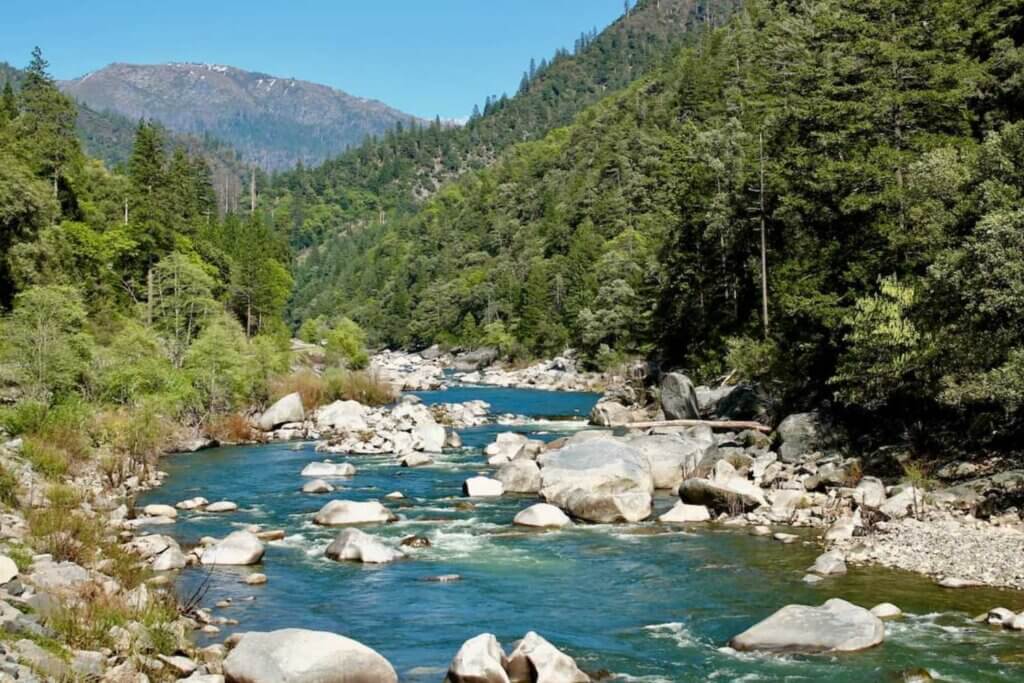
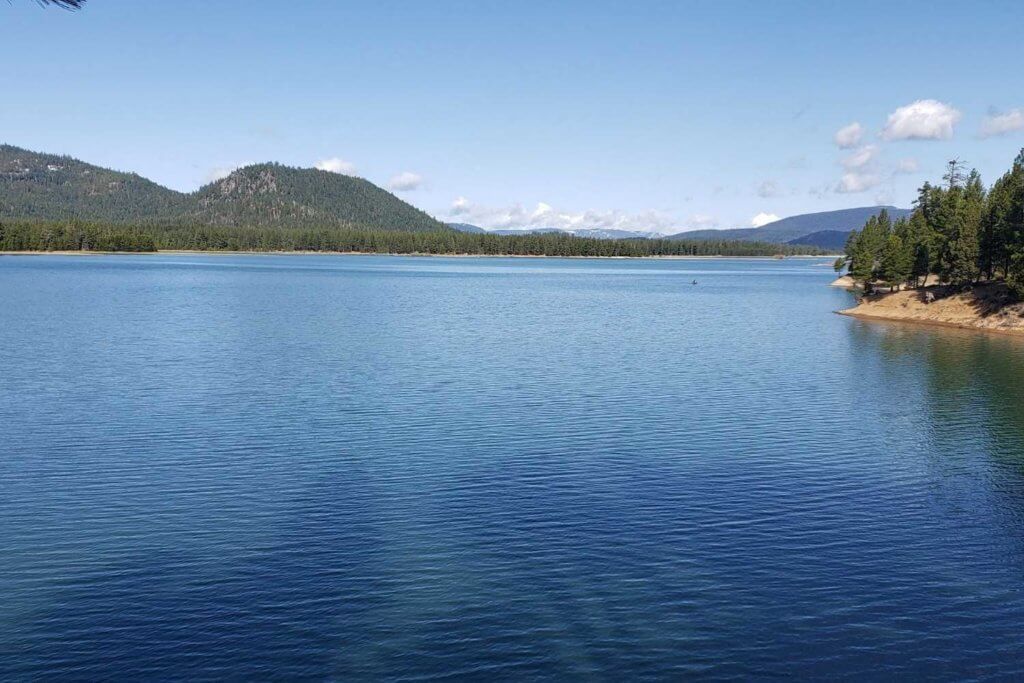
We love welcoming visitors to create lifelong memories on our beautiful lands and unique communities. While visiting Plumas County, take the Plumas Pledge to help us care for the health of our natural places and the well-being of our communities.
take the plumas pledge!
- Prioritize wildfire prevention
- Leave places as you found them
- Pack out all of your trash—bonus points if you pick up trash left by others!
- Stay on designated trails and camp in designated areas
- Check the weather before heading out
- Be mindful of your energy and resource usage
- Ditch plastic bottles and drink our mountain fresh tap water instead
- Choose locally made products and services from local businesses
- Slow down and enjoy the simple pleasures of life in Plumas