Outdoor RecreationBirding |
Bird Sightings Click here to view and/or download a self-guided tour of Plumas County's bird and wildlife viewing sites |
|||||||
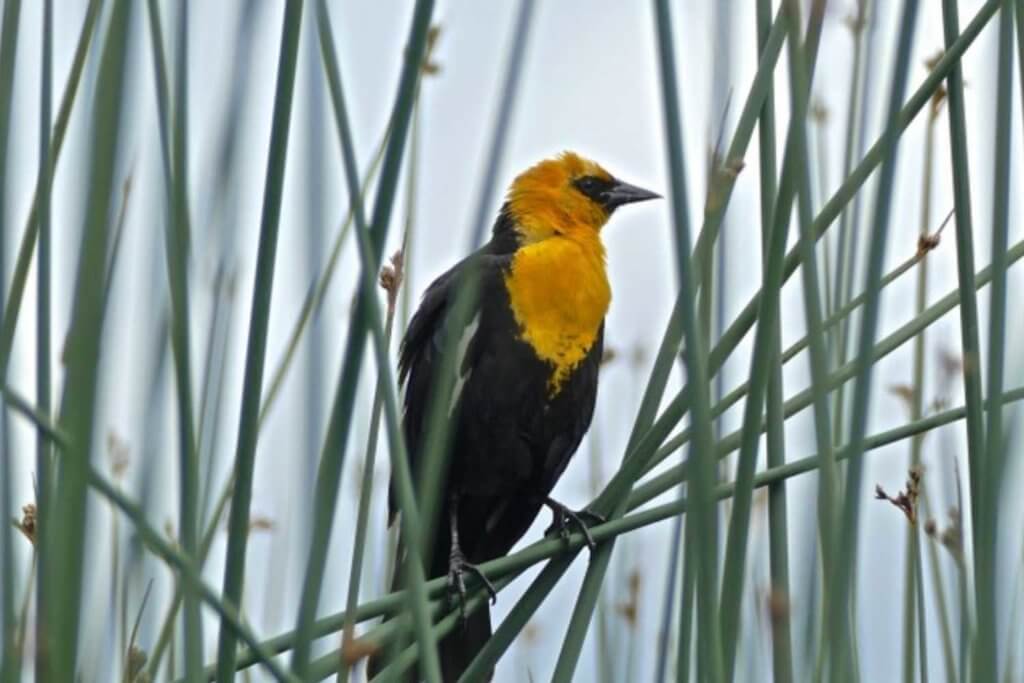
Plumas County offers rewarding bird-watching opportunities for both the novice and experienced birder. The best birding in the county is during the spring and fall, but interesting species can be found any month of the year. Nearly 300 different bird species live in the surrounding national forest, which offers great habitat with its many lakes, meadows, marshes, streams and trees. The spots have easy access for those who wish to bird by vehicle as well as many developed hiking trails for more adventurous birders.
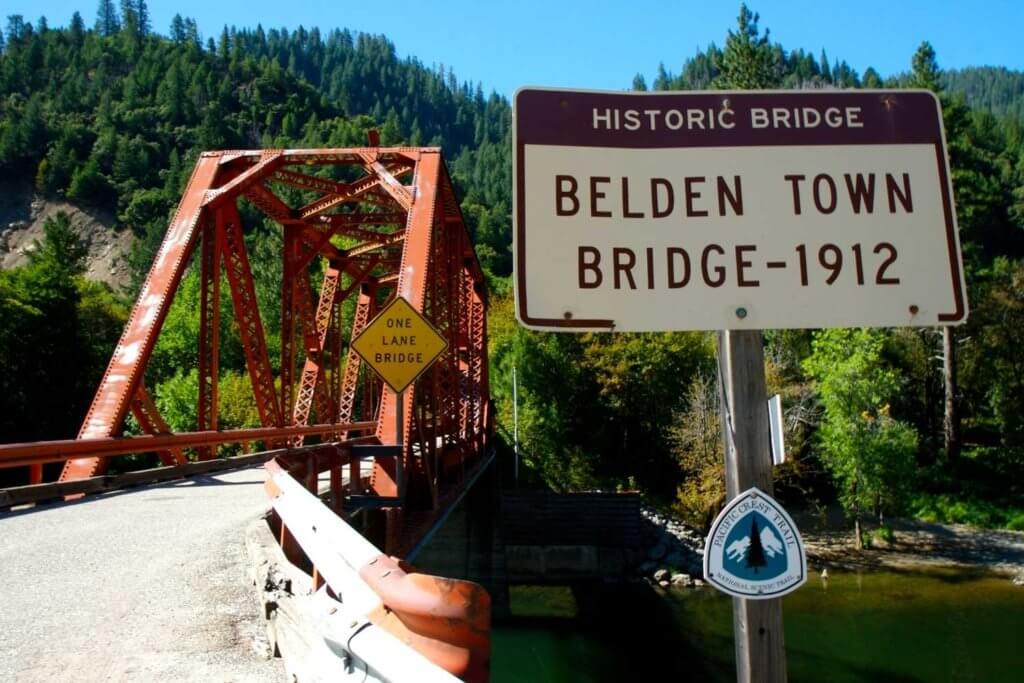
For a birding loop tour, travel on Highway 70 to the Nervino Airport just east of the community of Beckwourth. At the east end of the runway, turn south on County Road A-24. The road crosses several riparian areas where waterfowl can be spotted. Follow the paved road about four miles until it reaches a ranch, and take the right fork, which is Marble Hot Springs Road. The road makes a right turn and then becomes gravel. Marble Hot Springs Road has very little traffic and several marshy areas containing reeds, water and waterfowl. There are natural hot springs along the road and a historic steel bridge which serves as an excellent lookout. Marble Hot Springs Road eventually intersects County Road A-23. Turn right (north) and you'll return to Highway 70 just east of Beckwourth. Look for bald eagles on the bridge just before you reach the highway. If you're starting from Highway 89 south of Graeagle, take County Road A-23 at Sattley and travel 9.5 miles until you reach a dirt road (Marble Hot Springs Road) leading off to the right. There is an electrical transformer set up just beyond the intersection. Spring birders can spot white faced ibis, sandhill cranes, American bitterns, black-crowned night herons, Canada geese and a variety of ducks and songbirds. Plumas-Eureka State Park near Graeagle is worth checking for a variety of alpine birds and willow flycatchers. Nesting osprey and bald eagle can be found at
nearly all the county's major reservoirs,
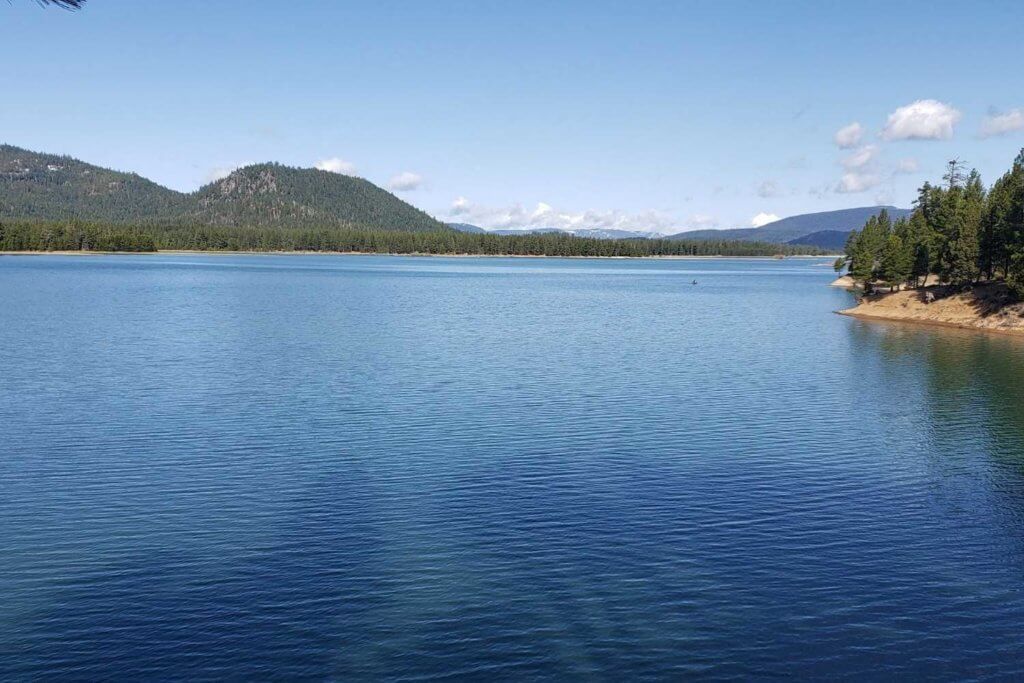
including the largest, Lake Almanor. The
causeway, east of Chester on Hwy. 36, is the
best place to see large numbers of waterfowl
including tundra swan, double-crested
cormorants, great blue heron, and American white
pelicans. Another good viewing spot is along the
west shore, near the campgrounds and along the
recreation trail, where birders can enjoy both
shorebirds and forest-dwellers such as pileated
and white-headed woodpeckers, flycatchers,
mountain bluebirds and white-breasted
nuthatches.
Snake Lake, a short drive from Quincy off of Bucks Lake Road, is a popular picnic spot and a good place to view wood ducks, American white pelicans, osprey, grebes and great blue heron. A walk along the forested edge of the lake can turn up a number of forest bird species: hairy woodpeckers, brown creepers, red-breasted nuthatches, warbling vireos and many others. Osprey and bald eagle, hunting for fish, may
be seen on a drive through the Feather River
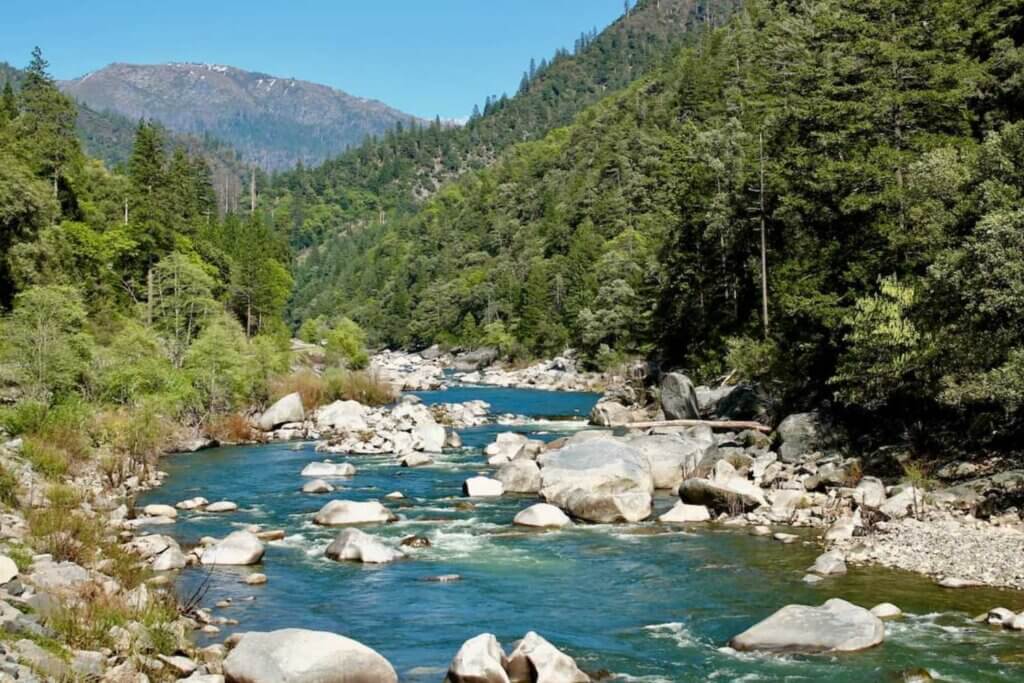
Canyon along the North Fork Feather River.
The reservoirs in the canyon are also home to
migrating bufflehead, goldeneye, ruddy ducks,
and nesting common mergansers.
|
||||||||